Food production and consumption systems are responsible for 26% of global CO2 emissions. Therefore, developing innovative alternatives to achieve longer carbon cycles and obtain high-value bioproducts is key to developing a more sustainable and circular bioeconomy and being aligned with the main objectives set by the European Green Pact to achieve emission neutrality by 2050.
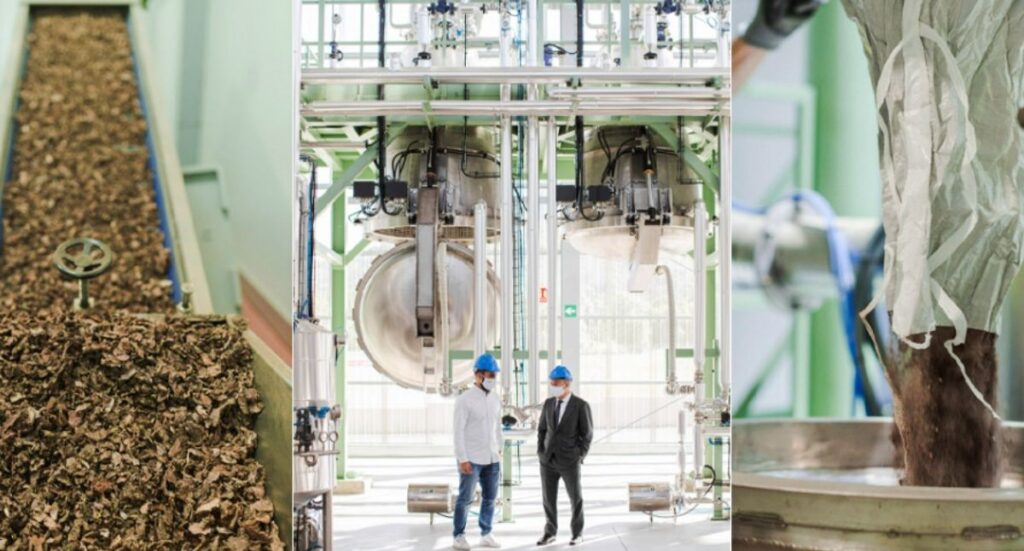
This is what drives us in SustaiNext project by scaling up and validating a first-of-its-kind industrial facility based on the integration of the whole supply chain –from feedstock providers to product end-users–:
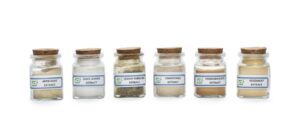
We will therefore apply a disruptive circular model integrated into a dynamic biorefinery to achieve the complete valorisation of sustainably sourced feedstocks with a zero-waste and zero-emissions ambition, to deliver plant-based healthy extracts and functional ingredients while transforming a rural region with an outdated cropping system into a cutting edge bio-based circular referent.