ECODESIGN Company GmbH leads the sustainability evaluation in Work Package 5 (WP5) by using assessments based on “life cycle” to assess the cost, social and environmental aspects and impacts of the valorisation of feedstocks for producing botanical compounds, and of the operations along the supply chain.
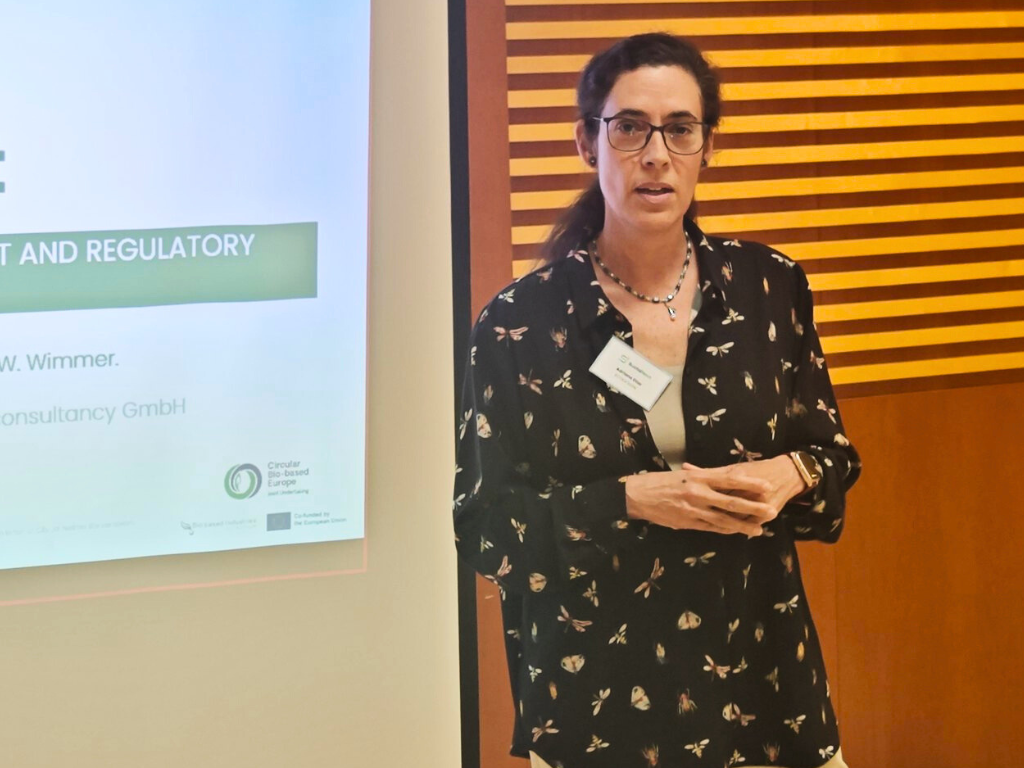
“This is a key work package that will provide insights for process and product improvements, to fulfil the ambitious sustainability goals of this project”, explains Adriana Díaz Triana, project manager and expert in Life Cycle Assessments and product carbon footprints in the ECODESIGN company.
Adriana Díaz Triana is a chemical engineer with a PhD in environmental engineering. During her PhD in the USA, she completed the first Life Cycle Assessments (LCA) for the US powder metallurgy industry. Then, she worked as a post-doctoral research fellow, also in the USA, and conducted LCAs of vehicle recycling systems. In 2009, Adriana joined the ECODESIGN company to develop strategies for product improvements and eco-product design using LCA. She has obtained certifications as an internal auditor, environmental management and energy efficiency representative.
To refine the direction of the tasks in WP5, ECODESIGN conducted a solid literature review, which led them to discover that not many Life Cycle Assessments, Life Cycle Costing (LCC) and Social Life Cycle Assessments (S-LCA) have been published for the production of botanical extracts in Spain.
“We have engaged with the project partners from the very beginning and carried out two very active workshops in the first year, to show them the unique perspective of life cycle thinking, and to get ready for moving ahead collecting the data to do the assessments”, Adriana explains.
In fact, ECODESIGH has already created a first model of selected feedstock valorisation routes for LCA and checks on other work packages to identify synergies among their tasks.
“For example, we have identified stakeholders and social themes for the Social LCA (i.e., Materiality issues), and plan to contribute to the project´s Multi-actor Approach, and engage the partners in a coming (third) workshop”, she states.
Given that the SUSTAINEXT consortium is quite big, one of the main challenges to overcome is communication across multiple partners from different countries and institutions.
“The key to complete insightful assessments in WP5 is for us having access to data from the partners and their activities during the whole project. This is quite rewarding, but can be a challenge, especially for the timely and regular collection of robust and detailed process, product, cost, and organizational data, and its sharing in a smooth way”, explains Adriana.
Another challenge would be considering sustainability and planning the legacy of the project outcomes beyond the funding period.
“This is important and not that easy to do, though it is needed for the project impacts to continue after the official end. However, with good planning, clear communication, and strong leadership in SustaiNext, I am sure we will achieve remarkable results”, she says.
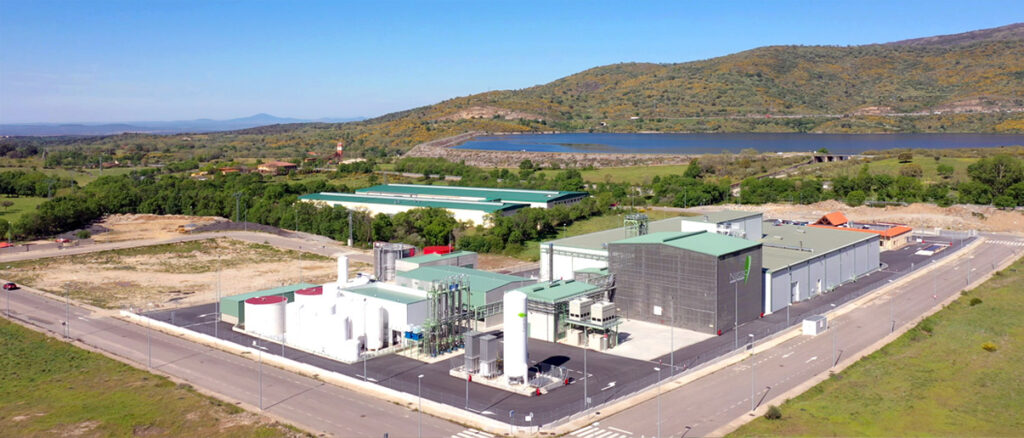
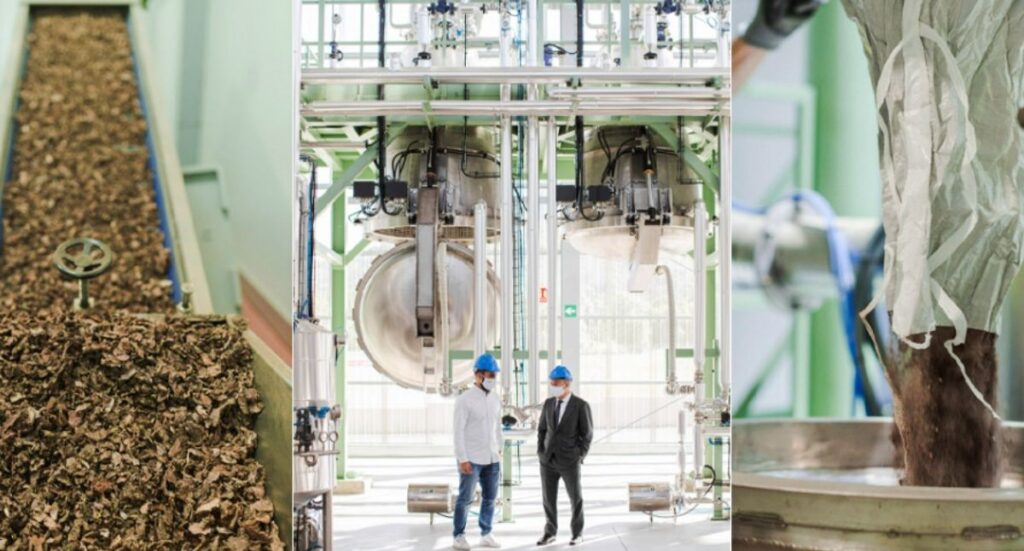
WP5 main objective is to evaluate the costs, and social and environmental performance of the valorization processes to produce high-value herbal extracts using a novel dynamic bio-refinery system. The LCA is one of the assessments to evaluate SustaiNext, and for ECODESIGN is an opportunity to expand their competencies and expertise.
“We have to study and understand the systems and processes very well, and combine project data with suitable datasets to create good models that give us transparent results to show to the partners. These results can be further used for informing stakeholders, including policymakers regionally and in the EU. These results can support the environmental product declarations and enhance the sustainability reporting of other partners in the project”, Adriana explains.
Wastes and emissions often translate into direct and indirect costs for the organizations which is why Implementing ecodesign strategies, such as the selection of alternative materials of different origins, reduction of material inputs, use of alternative technologies, and use of renewable energy sources, is key:
“The results of an LCA can be turned into concrete action by starting an innovation process for creating new products and business models. Identifying these potentials and realizing them will be an important contribution from WP5”, she says.
Part of the objectives in the project SustaiNext, beyond changes in the use of soil, is the long-term implementation of sustainable practices for growing medicinal and aromatic plants (MAPs) in Extremadura. In ECODESIGN they work with the partners producing these feedstocks to identify the most relevant aspects and quantify the potential environmental impacts of these activities.
“For example, the project is developing soil enhancers from the exhausted biomass that remains after the extraction of botanical compounds in the bio-refinery. These enhancers shall be brought back to the soil, to improve its structure”, Adriana explains. “The need for intensive watering, in combination with more resistant MAPs could reduce the irrigation demand and the stress on local water resources. Such changes could be evaluated in specific scenarios, to show partners the different energy and resources involved in each scenario”, concludes
Meet our partners: ECODESIGN
ECODESIGN Company GmbH is an engineering company that combines product development with environmental assessment and optimization. Ecodesign, besides the name of the company, is a systematic and continuous improvement process aiming at reducing the environmental burden of a product or process and fulfilling stakeholder requirements with the potential for superior market performance and customer acceptance.
They bring their know-how to other companies and organizations, to help them create eco-intelligent products and circular business models and make them fit for the future. They offer environmental assessment, product development, environmental communication, and their own software to calculate the Product Carbon Footprint called ECODESIGN+. They deliver workshops and trainings to support companies implementing their sustainability strategies, and bring their knowledge and services to national and international R&D projects.